- The Data Capital
- Posts
- The Three Mistakes That Cost New Landlords.. (And How to Avoid Them)
The Three Mistakes That Cost New Landlords.. (And How to Avoid Them)
3 Tricks Billionaires Use to Help Protect Wealth Through Shaky Markets

“If I hear bad news about the stock market one more time, I’m gonna be sick.”
We get it. Investors are rattled, costs keep rising, and the world keeps getting weirder.
So, who’s better at handling their money than the uber-rich?
Have 3 long-term investing tips UBS (Swiss bank) shared for shaky times:
Hold extra cash for expenses and buying cheap if markets fall.
Diversify outside stocks (Gold, real estate, etc.).
Hold a slice of wealth in alternatives that tend not to move with equities.
The catch? Most alternatives aren’t open to everyday investors
That’s why Masterworks exists: 70,000+ members invest in shares of something that’s appreciated more overall than the S&P 500 over 30 years without moving in lockstep with it.*
Contemporary and post war art by legends like Banksy, Basquiat, and more.
Sounds crazy, but it’s real. One way to help reclaim control this week:
*Past performance is not indicative of future returns. Investing involves risk. Reg A disclosures: masterworks.com/cd

Good morning,
When I bought my first investment property, I thought yield was everything. Now I know that belief quietly destroys returns.
The investors who fail rarely lack motivation, they lack a framework. And the same three errors keep showing up at the start of almost every bad portfolio.
We’re also analysing properties in Sheffield a city on the rise and wanted to bring you into the loop.
Let’s dive in.
In this newsletter, you'll find...
This Week’s Biggest News…….
Self-employed and landlords not ready for new tax rules, warn experts
Labour's housebuilding failures laid bare: New build construction plummets under Sir Keir Starmer - as London developments fall more than half in a year.
Want more like this? Join 1,000+ readers getting The Data Capital each week.
The Three Mistakes That Cost New Landlords.. (And How to Avoid Them)
Over the past six years, I’ve tracked the journeys of first-time landlords, including my own as a new investor.
After speaking with hundreds of investors, the same thoughts and behaviours come up again and again.
And it isn’t because of bad luck. It’s because the same mistakes keep getting repeated.
Here are the three biggest mistakes, and why the last is the most dangerous.
Mistake #1: Obsessing Over “Cheap”
When you’re new, you cling to what’s measurable. Yield becomes the obsession.
A 10% gross yield feels like you’ve cracked the code, so you chase cheap properties without asking why they’re cheap:
Weak growth
Higher tenant risk
Heavier running costs.
A £60,000 property yielding 8% (£4,800 a year) looks great on paper. Replace a boiler for £2,500 and you’ve wiped out over half your annual rent. Add voids, management fees, and minor repairs, and that “great yield” disappears fast.
Trust me, I’ve felt it.
Lower-value stock also attracts higher turnover tenants: more voids, more wear, more admin. What looked like 8% quietly becomes 2%.
The real mistake is confusing yield with profit.
Yield ignores growth, stability, and costs. A 6% return on a £150,000 home in a rising area with long-term tenants often beats an 8% return on a £60,000 asset you’re constantly firefighting.
The framework:
Target 6–7% net yield after costs (this means including potential voids and repairs), not gross. Look for areas with visible 3–5 year infrastructure catalysts. If a deal is sold mainly on yield, treat that as a warning sign.
Mistake #2: Designing for Yourself, Not the Tenant
It’s smart to think about liveability but many investors project their own taste onto an asset.
I’ve seen landlords spend £8,000 on bespoke kitchens in £120,000 properties expecting £50 extra rent. The market delivered £15. That’s decades of payback and capital tied up unnecessarily.
Others add quirky features that look great online but scare tenants away. The result? Longer voids and weaker returns.
You fall in love with the property instead of the numbers and end up with something beautiful but financially broken. Focus on the numbers.
The framework:
Keep refurb budgets sensible, usually £3k–£5k max unless you’re repositioning the asset. Stick to neutral finishes, functional kitchens, and reliable appliances.
Your taste doesn’t pay the mortgage. Your tenant does.
Mistake #3: Believing Glossy Marketing
This is the expensive one.
Many people skip the boring work reading, modelling, analysing comparable and instead land on glossy “investment opportunities” promising guaranteed returns.
Here’s the truth:
good deals don’t need marketing.
The best stock is taken by developers’ networks and experienced investors. What’s left gets packaged with shiny renders and sold to beginners who haven’t learned how to price risk yet.
Example: Guaranteed rent schemes hide huge premiums. A £200,000 off-plan flat with an “8% guaranteed return” might be worth £150,000 on completion.
You start in negative equity, locked into below-market rent. When the guarantee ends, the numbers no longer work and everyone tries to exit at once.
The developer already made their money. You’re holding the risk.
The framework:
Never buy from someone who contacted you first. Avoid guaranteed rent beyond 12 months. Don’t buy property marketed mainly to investors instead of owner-occupiers. Always pull comparable, if you can’t find three recent local sales, question the location.
Property Listing
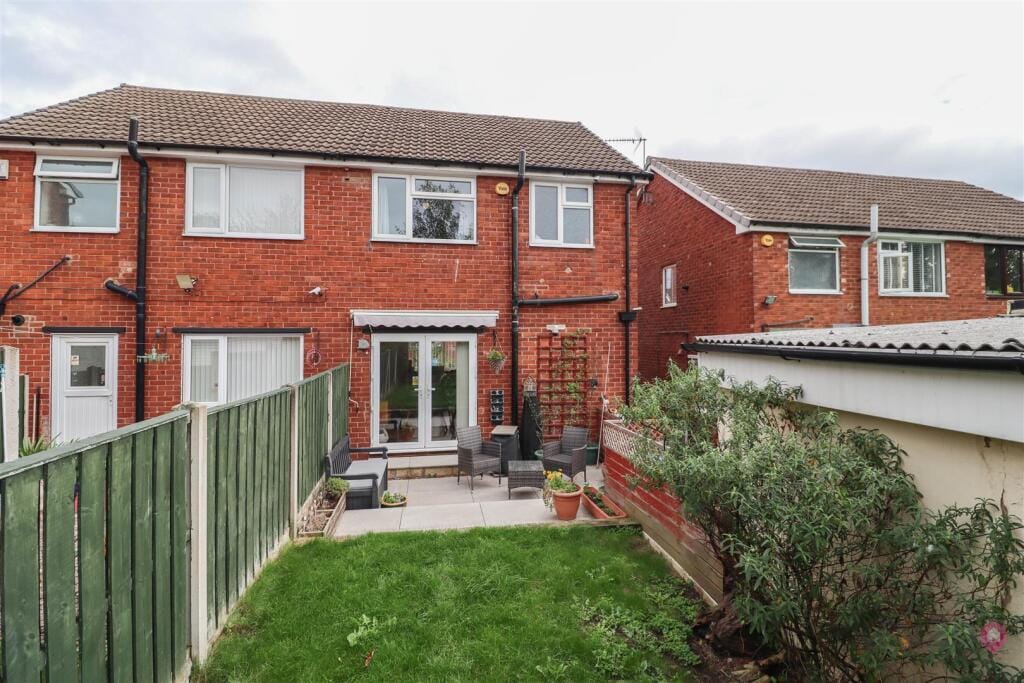
Click to view property 👉 Church View, Woodhouse, Sheffield, S13
Detail | Amount |
|---|---|
Price of property | £200,000 |
Beds/Baths | 3/1 |
Deposit will be 25% of the property price | £50,000 |
Expected Monthly Income | £1,050 |
Expected Monthly Expenses | £583 |
Expected Monthly Cash Flow | £467 |
Expected ROI | 9.4% |
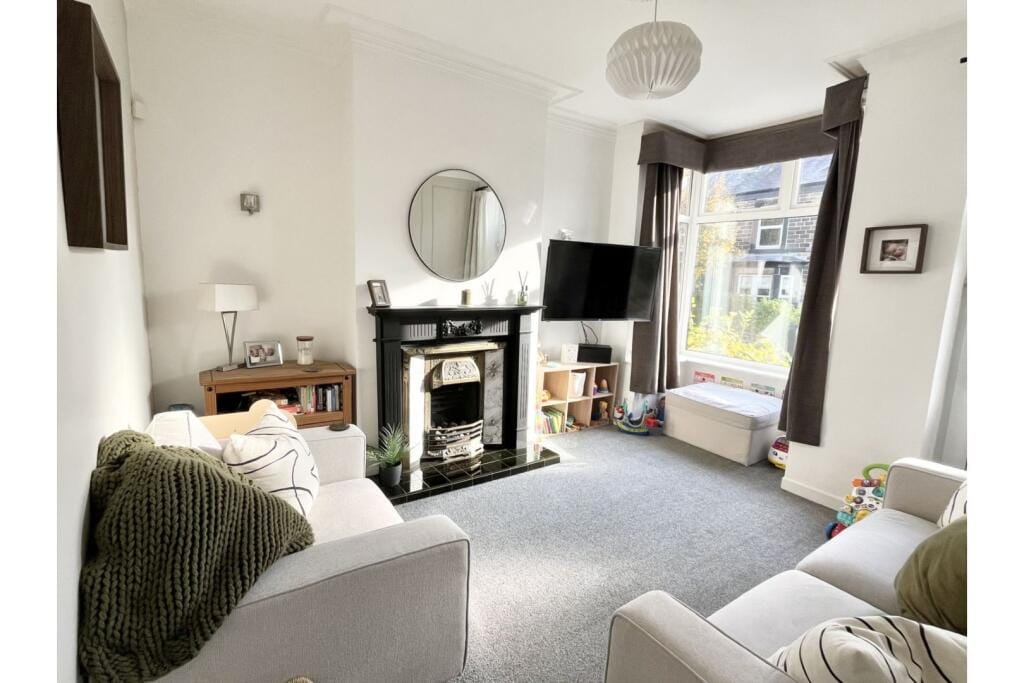
Click to view property 👉 Aysgarth Road, Sheffield, S6
Detail | Amount |
|---|---|
Price of property | £200,000 |
Beds/Baths | 3/1 |
Deposit will be 25% of the property price | £50,000 |
Expected Monthly Income | £900 |
Expected Monthly Expenses | £583 |
Expected Monthly Cash Flow | £317 |
Expected ROI | 7.6% |
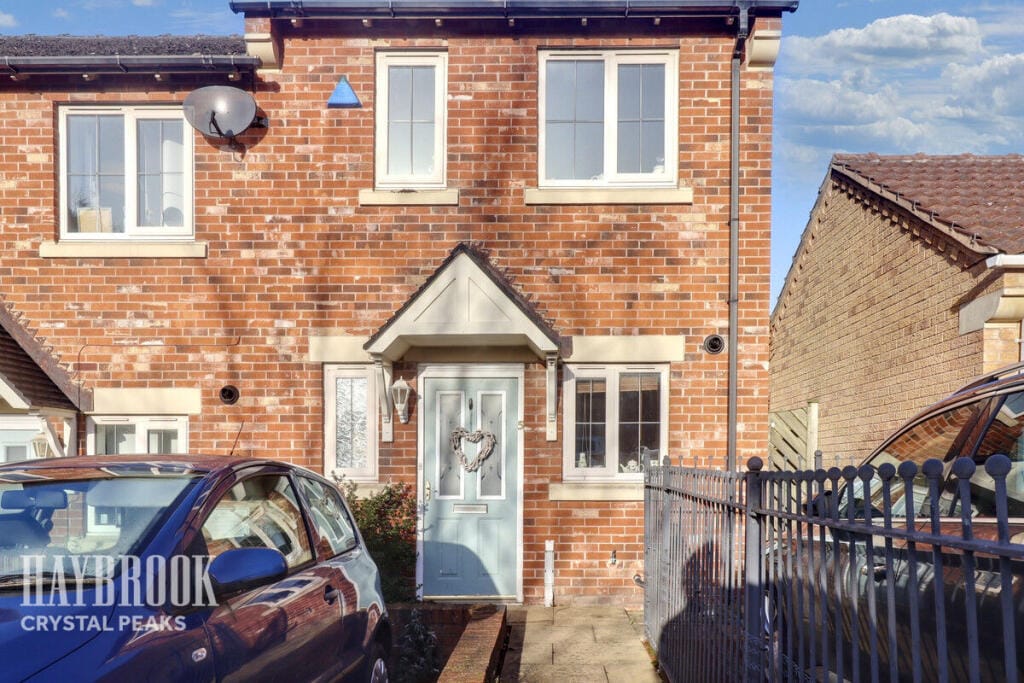
Click to view property 👉 Dobbs Close, Sheffield
Detail | Amount |
|---|---|
Price of property | £100,000 |
Beds/Baths | 2/1 |
Deposit will be 25% of the property price | £25,000 |
Expected Monthly Income | £650 |
Expected Monthly Expenses | £285 |
Expected Monthly Cash Flow | £365 |
Expected ROI | 17.5% |
Bottom Line
Do the boring work first.
Read. Model. Analyse.
Buy boring properties in boring areas with boring tenants who pay boring, predictable rent.
The investors who win aren’t chasing hotspots. They’re buying undervalued assets, aligning spec with tenant reality, and ignoring the noise of guaranteed returns.
Boring decisions. Extraordinary outcomes.
What’s Next?
Next week, I’m diving into Sheffield a city many investors overlook, but one quietly positioning itself for strong long-term growth.
👉I’ll break down the data behind price trends, rental demand, regeneration zones, and the areas where the numbers are starting to shift.
Enjoyed this edition?
Share The Data Capital with your friends and follow us on Instagram @thedatacapital. We’d love your feedback. We read every feedback and this helps us create better future content.
So don’t hesitate to let us know what you think down below👇.
Reply