- The Data Capital
- Posts
- UK Property Market 2026: Four Bold Predictions for the Year Ahead
UK Property Market 2026: Four Bold Predictions for the Year Ahead

Good morning,
It’s the start of the year, which means everyone’s making predictions.
Here’s how I see the UK property market shaping up in 2026.
Let’s dive in.
In this newsletter, you'll find...
This Week’s Biggest News…….
Trump wants to ban large investors from buying single-family homes in bid to bring down prices: ‘People live in homes, not corporations.
UK house price growth ends 2025 on a softer note.
Want more like this? Join 1,000+ readers getting The Data Capital each week.
UK Property Market 2026: Four Bold Predictions for the Year Ahead
The UK housing market is entering a turning point.
After years of volatility, 2026 looks set to bring more stability and opportunity. Here's what the major players are forecasting, and what I’m predicting 2026 will bring.
House Price Growth: The Market Says 2-4%, I Say 3%
The consensus among leading estate agents and analysts is remarkably aligned. Rightmove predicts 2% growth, Savills forecasts 2%, Knight Frank expects 2-3%, and Nationwide anticipates a 2-4% range.
Last year's performance provides important context. Through 2025, UK house prices rose modestly, with annual growth slowing from 3% in August to just 0.6% by December. The average UK property now sits at around £270,000-£272,000.
The driver behind modest growth in 2026? Falling borrowing costs and improved affordability. Interest rates are expected to drop from the current 3.75% to somewhere between 3.25% and 3.5% by mid-2026.
This should unlock pent-up demand, particularly among first-time buyers who've been priced out. Mortgage lenders are also loosening lending criteria, allowing buyers to responsibly borrow more.
My prediction: 3% growth. I'm slightly more optimistic than the estate agent consensus. With interest rates continuing to fall and wages growing faster than house prices, more people will enter the market.
The combination of improved affordability and renewed buyer confidence should push growth above the cautious 2% baseline most analysts have settled on.
Best Cities for Property Investment: Northern Cities Dominate
When it comes to where to invest in 2026, the market is crystal clear: look north. England cities are tipped to massively outperform London and the South East.
Manchester leads virtually every ranking, with forecasts pointing to 4.5-7% growth and rental yields of 7.1%. The city's £4 billion Victoria North regeneration project and expanding tech sector make it a compelling bet.
Liverpool appears on nearly every top-five list, with the £5 billion Liverpool Waters project transforming the waterfront and historical price growth of 10.9% last year.
Leeds combines strong historical performance (41% growth over 10 years) with major regeneration schemes and a thriving financial sector.
Birmingham, dubbed the "London of the Midlands," is seeing massive investment with the Digbeth regeneration bringing 6,000 new homes and the BBC headquarters.
Nottingham took top spot in recent property listings data and offers rental yields of 6.5% with strong student demand from two major universities.
My top 5 ranking for 2026:
Manchester – Growth + yield combination is unbeatable
Liverpool – Massive regeneration pipeline
Leeds – Proven track record and strong fundamentals
Birmingham – Midlands powerhouse with London spillover
Nottingham – Student demand and affordability sweet spot
I believe three of these Manchester, Liverpool, and Leeds will indeed finish in the actual top five performers for 2026, delivering both capital growth and strong rental returns.
Rental Growth: Market Says 2-3%, I Predict 4-5%
The rental market forecast is where I diverge most significantly from the consensus. Major analysts are predicting rental growth of 2-2.5% in 2026. Savills forecasts 2%, Zoopla expects 2.5-2.6%, and estate agent Leaders predicts 3%.
This represents a sharp deceleration from recent peaks. Rental growth hit 12% in 2022, and even through 2025, average UK rents were still rising at 5% annually. The market's view is that cooling demand and improving supply will bring the rental market back to "normal”.
I'm not convinced. Current rental growth still sits at around 5%, and I don't believe the supply-demand fundamentals have changed enough to warrant such a dramatic slowdown. Here's why:
The Renters' Rights Act takes effect on May 1, 2026, adding compliance costs and pushing some landlords to exit the market. Almost 39% of landlords say the new regulations may force them out. Meanwhile, demand remains structurally supported—the barrier to homeownership is still high due to deposits and stamp duty costs.
My prediction: 4-5% rental growth in 2026. The supply squeeze hasn't been resolved, regulatory costs will be passed to tenants, and first-time buyer numbers, while rising won't offset the rental demand quickly enough. I expect rental growth to moderate from the current 5%, but not crash to 2-3%.
Interest Rates: Market Says 3.25-3.5%, I Say 3.2%
The Bank of England base rate currently sits at 3.75% after a December 2025 cut. The market consensus for end-2026 is remarkably tight: most forecasts cluster around 3.25% to 3.5%.
Goldman Sachs projects 3.0% by summer 2026, the OECD expects 3.5%, and KPMG suggests 3.25% as the likely settling point.
Trading Economics forecasts 3.25% for 2026, eventually reaching 3.0% in 2027. Reuters polling found over 60% of economists expect the rate to hit 3.5% by Q2 2026.
The driver? Inflation falling back toward the 2% target.
My prediction: 3.2% by end-2026. I'm threading the needle between the bulls and the bears. I expect the Bank of England to cut more aggressively than the cautious 3.5% consensus suggests, but not as far as the optimistic 3.0% scenario.
Property Listing
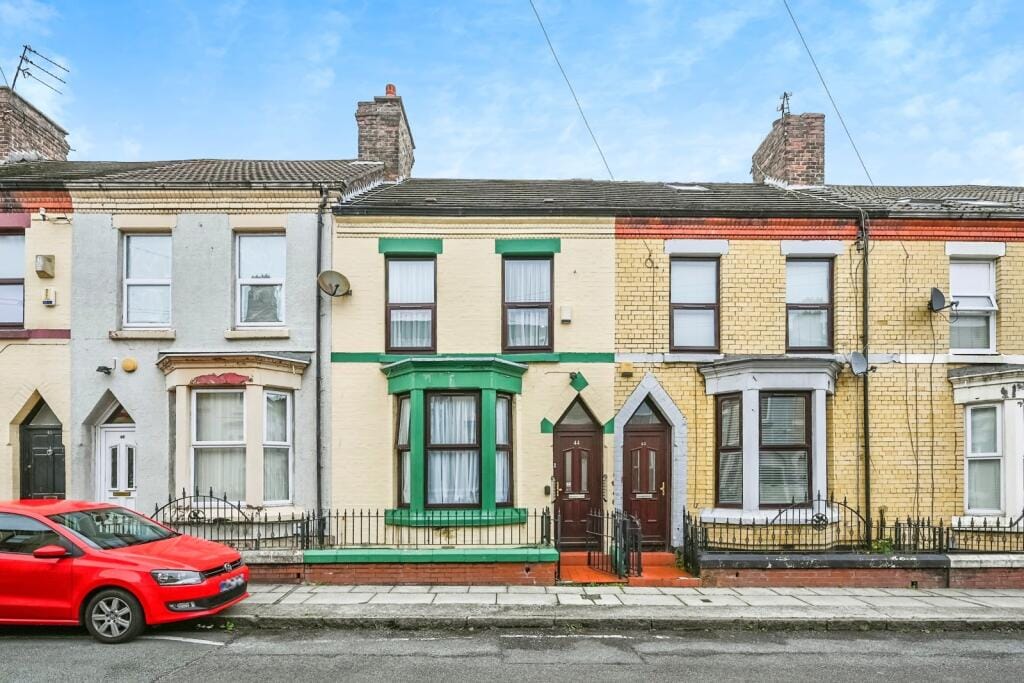
Metric | Value |
|---|---|
Price of property | £110,000 |
Beds/Baths | 2 / 1 |
Deposit (25%) | £27,500 |
Estimated Monthly Rent | £700 |
Expected Monthly Expenses | £295 |
Expected Monthly Cash Flow | £405 |
Expected ROI | 14.8% |
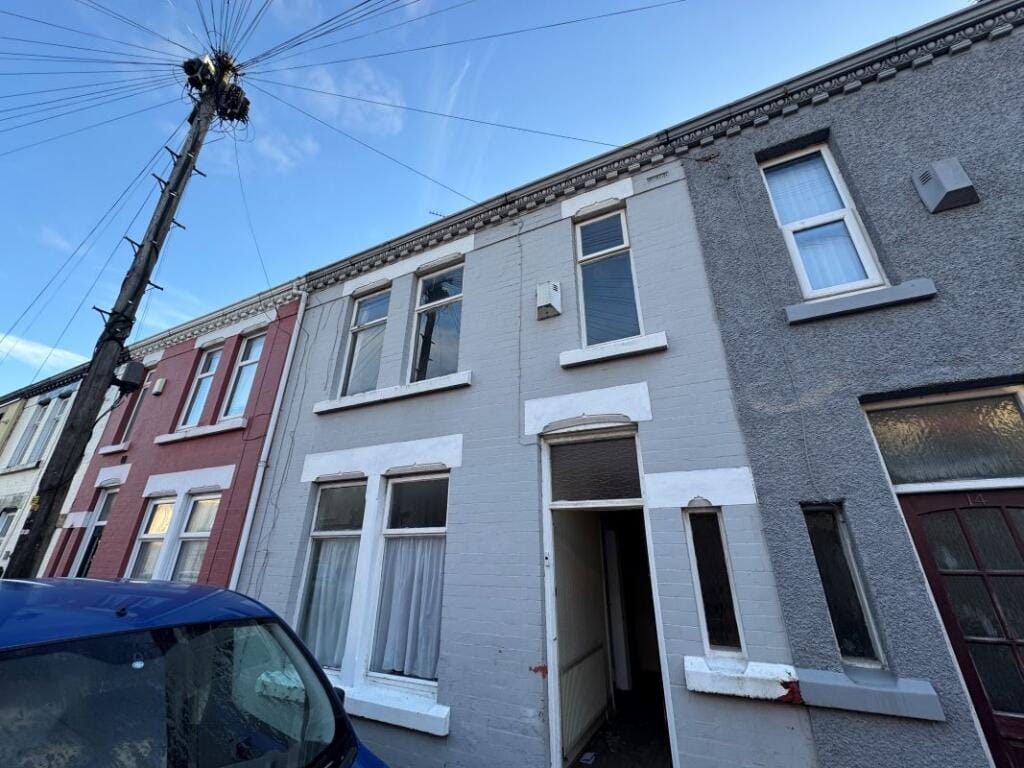
Metric | Value |
|---|---|
Price of property | £110,000 |
Beds/Baths | 2 / 1 |
Deposit (25%) | £27,500 |
Estimated Monthly Rent | £700 |
Expected Monthly Expenses | £295 |
Expected Monthly Cash Flow | £405 |
Expected ROI | 14.8% |

Detail | Amount |
|---|---|
Price of property | £135,000 |
Beds/Baths | 2/1 |
Deposit (25%) | £33,750 |
Expected Monthly Rent | £800 |
Expected Monthly Expenses | £442 |
Expected Monthly Cash Flow | £358 |
Expected ROI | 10.9% |
Bottom Line
The UK property market is shifting from uncertainty to steady, predictable growth. Northern cities will dominate performance, rental demand remains stronger than forecasts suggest, and falling interest rates will bring more buyers back to the table.
For investors willing to look beyond London, 2026 could be the year that sets up a strong decade ahead.
What’s Next?
So What Does This Mean for You?
With 2026 shaping up to be a pivotal year for UK property, here are the key dates and events to watch that could move the market:
5 February 2026: Bank of England Interest Rate Decision
1 May 2026: Renters' Rights Act Takes Effect
Spring 2026: Traditionally busiest period for home sales
18 June & 30 July 2026: Mid-Year Rate Decisions
Enjoyed this edition?
Share The Data Capital with your friends and follow us on Instagram @thedatacapital. We’d love your feedback. We read every feedback and this helps us create better future content.
So don’t hesitate to let us know what you think down below👇.
YOUR FEEDBACK MATTERS:Let us know what you think! |
Reply